
Five Lakes Trail Lake Tahoe Complete Hiking Guide
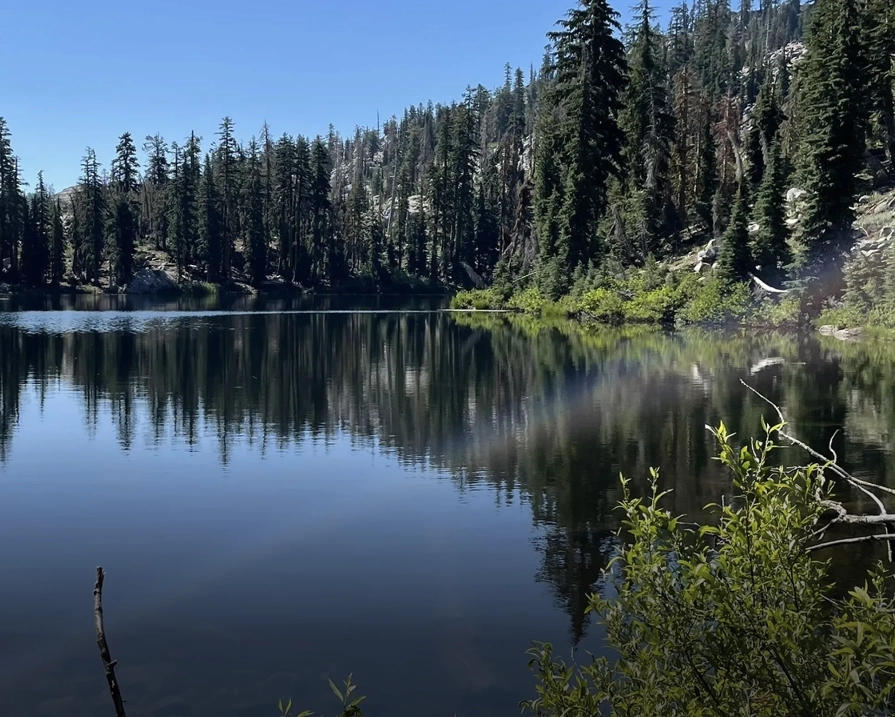
If you’re looking for a hike that takes you to not just one, but five stunning mountain lakes in a single day, the Five Lakes Trail in Lake Tahoe should be at the top of your list. This trail sits in the Granite Chief Wilderness near Alpine Meadows, and it’s become one of the area’s most popular hikes for good reason. You’ll climb through shady pine forests, cross flower-filled meadows, and reach a basin filled with crystal-clear alpine lakes perfect for swimming and photography.
What makes this hike special is its variety. Some people come for the views, some for swimming, and others to enjoy real mountain nature without hiking a very hard trail. The hike is moderate enough for families with older kids but still feels like an adventure. At 4.5 miles round trip with about 1,000 feet of climbing, you can finish it in an afternoon and still have energy left to enjoy the lakes once you arrive.
This guide covers everything you need to know. It explains where to park, what the trail is like, which lakes to visit, and what to bring. Whether it’s your first hike in the Sierra Nevada or you often explore Tahoe trails, you’ll find useful tips to make your trip better.
What You Need to Know About Five Lakes Trail
Let’s start with the basic facts. The Five Lakes Trail is an out-and-back hike, though you can also do a loop if you want to see different scenery on the way down. The trail starts at about 6,700 feet elevation and climbs to roughly 7,700 feet at the highest lake. That thousand-foot climb happens gradually over about 2.25 miles, which makes it manageable for most people with reasonable fitness.
The total distance is around 4.5 miles if you go straight to the lakes and back. However, once you reach the basin, you’ll probably want to explore and visit multiple lakes, which can add another mile or so of wandering. Most people spend three to five hours total on this hike, including time to rest, eat lunch, and maybe take a swim.
The trail is moderately difficult. It’s not an easy walk, but you don’t need special skills or gear. The path is well-kept with some rocky and steep parts, but nothing tricky or dangerous. The ground is mostly packed dirt with a few loose rocks and roots, which is common for Sierra Nevada trails.
Dogs are welcome on this trail, but they need to be on a leash. The best time to hike here is from July through September when the snow has melted and the weather is warm enough for swimming. Early summer (June) can still have snow patches, and by October, you might encounter early season snow and much colder temperatures.
Getting to the Five Lakes Trailhead
Finding the trailhead is straightforward, but knowing the exact directions helps, especially since cell service can be spotty in the mountains. The trail starts from Alpine Meadows Road, which branches off Highway 89 between Tahoe City and Truckee.
If you’re coming from Tahoe City, drive north on Highway 89 for about 3 miles. You’ll see the turnoff for Alpine Meadows Road on your left. Take that turn and follow the road for about 2.1 miles. The trailhead parking area will be on your right. There’s a clear sign marking it, so you won’t miss it.
From Truckee, head south on Highway 89 for roughly 8 miles. Alpine Meadows Road will be on your right. Again, follow it for about 2.1 miles to reach the parking area.
Coming from South Lake Tahoe takes longer since you’ll need to drive around the lake. Head north through Tahoe City and then follow the directions above. The whole drive from South Lake Tahoe is about 45 minutes to an hour depending on traffic.
Parking and the Best Time to Arrive
The parking lot at the Five Lakes trailhead is not huge. It fits maybe 20 to 30 cars on a good day. On summer weekends, this lot fills up fast, sometimes as early as 7 or 8 AM. If you arrive after 9 AM on a Saturday or Sunday in July or August, you might have trouble finding a spot.
When the main lot is full, people park along Alpine Meadows Road, but be careful where you leave your car. Make sure you’re not blocking the road or parking where there are “no parking” signs. The local authorities do patrol and will ticket or tow vehicles that are improperly parked.
It’s best to arrive early. If you get there by 7 AM, you should find parking easily. Weekdays are quieter than weekends, so hiking on a Tuesday or Wednesday gives you a better chance to enjoy the trail with fewer people around.
There’s no fee to park here, which is nice. You also don’t need a day-use permit for hiking this trail. However, if you’re planning to camp overnight at the lakes, you will need a wilderness permit, which I’ll cover more in the camping section later.
The Mile by Mile Guide to Five Lakes Trail

Understanding what the trail looks like before you start helps you pace yourself and know what to expect. The hike breaks down into three main sections, each with its own character.
The First Mile Through the Forest
When you leave the trailhead, you’ll immediately enter a thick conifer forest. The trail is wide and well-marked here, and the grade is gentle. You’re climbing, but it doesn’t feel steep. The forest is mostly made up of fir and pine trees, and on hot days, this shaded section feels really nice.
The ground is soft with pine needles, and you’ll hear birds in the trees. This first section is where you’ll do some of your climbing, but it happens so gradually that you barely notice. The trail has a few switchbacks, which are just zigzag turns that help you gain elevation without going straight up.
After about a mile, you’ll start to notice the forest opening up a bit. You might see some granite boulders alongside the trail, which is typical of the Sierra Nevada landscape. This is a good place to take a quick break if you need water or to catch your breath.
You can also explore Shirley Canyon Trail guide here.
From Mile One to Two Entering Alpine Territory
As you continue, the forest starts to thin out, and you’ll enter a more alpine environment. Alpine just means high mountain areas where trees become smaller and eventually disappear. You’ll see more rocks, some meadow areas with wildflowers in mid-summer, and the views start to open up.
This section has a few steeper switchbacks. Your heart rate will probably pick up here, and you might need to slow down a bit. That’s completely normal, especially if you’re not used to hiking at elevation. Take your time and rest when you need to.
Around the 1.5-mile mark, you might catch your first glimpse of the surrounding peaks and ridges. On clear days, the scenery is spectacular. You’ll also notice the air getting a bit cooler as you climb higher.
The trail surface gets rockier in this section. Be careful where you step, especially if you are walking with children or not wearing good hiking shoes. It is not dangerous, but you could twist your ankle on a loose rock and that could spoil your day.
The Final Stretch Reaching the Valley of the Five Lakes
Between mile 2 and 2.5, you’ll reach the lakes basin. The trail levels out significantly, and suddenly, you’re walking through an alpine wonderland. The first lake usually comes into view pretty quickly once you reach the basin.
At this point, you’ll see a trail junction. One path leads to different lakes, and you can choose which direction to explore. There’s no wrong choice here. Some people like to visit the closest lake first and then decide if they want to see more. Others prefer to hike to the farthest lake and work their way back.
The terrain in the basin is more open with patches of grass, wildflowers, and granite slabs. The lakes are scattered throughout this area, some closer together and others requiring a bit more hiking to reach. You can easily spend an hour or two just wandering around and discovering different lakes.
Five Lakes and What Each One Offers

Now let’s talk about the actual lakes. Each one has its own personality, and knowing what makes each special helps you decide how to spend your time once you arrive.
The First Lake Easy Access and Popular Spot
The first lake you encounter is usually the busiest because it’s the closest to where the main trail enters the basin. This lake is medium-sized and typically has the most people around it on summer weekends. The water is clear and cold, and you’ll often see families with kids swimming here.
The shoreline has several granite slabs perfect for sitting and eating lunch. If you’re looking for a quick swim and don’t want to hike further, this lake works well. The downside is that it gets crowded. On a busy Saturday afternoon, you might see 20 or 30 people hanging out here.
For photography, the light is best in the morning when the sun hits the water and reflects the surrounding peaks. By afternoon, this lake can be a bit shadowed depending on the season.
The Second and Third Lakes Quieter and More Peaceful Options
If you continue past the first lake, you’ll find two more lakes that are usually less crowded. These require a bit more walking, maybe an extra 10 to 15 minutes from the first lake, but the effort pays off.
The second lake is slightly smaller but equally beautiful. The water tends to be a bit deeper, which makes it great for swimming if you don’t mind the cold. You’ll find some nice granite outcroppings where you can lay out a towel and relax.
The third lake sits in a more open area with great mountain views in the background. This one is popular with photographers because you can get beautiful reflection shots in the early morning when the water is calm. It’s also less crowded than the first lake, so if you’re looking for a more peaceful experience, this is a good choice.
The Fourth Lake A Hidden Gem Worth the Effort
The fourth lake requires the most effort to reach, which means fewer people make it here. You’ll need to do some light scrambling over rocks and follow a less-defined path. It’s not difficult, but it’s definitely not as straightforward as reaching the first three lakes.
This lake is smaller and sits in a more dramatic setting surrounded by granite cliffs. The water is incredibly clear, and the setting feels more remote and wild. If you’re the type of person who likes to get away from crowds, this lake is worth the extra effort.
Swimming here is possible, but the shoreline is rockier and less accessible than the other lakes. Most people come here for the scenery and the feeling of discovering something special rather than for swimming.
The Fifth Lake Deciding If It Is Worth the Extra Hike
The fifth lake is the farthest and requires the most hiking to reach. Honestly, many people skip this one because the other four lakes are so good. If you have limited time or energy, you won’t miss out by not visiting the fifth lake.
If you want to say you have seen all five lakes you can do it. The fifth lake is the smallest and is at the edge of the area. It looks nice but is similar to the others. If you are tired or do not have much time it is better to rest and enjoy one of the closer lakes instead.
Which Lakes on the Five Lakes Trail Should You Visit?
If you only have time or energy for one or two lakes, focus on the first and third lakes. The first lake is easy to reach and gives you that instant reward of arriving at an alpine lake. The third lake offers better solitude and equally good swimming.
For photographers, the second and third lakes offer the best opportunities for reflection shots and dramatic compositions. Visit in the early morning or late afternoon for the best light.
If you want to swim, the first and second lakes have the most accessible shorelines. The water is cold everywhere, probably around 60 degrees Fahrenheit even in August, but it’s refreshing after the hike up.
Families with young kids should probably stick to the first lake. It’s close enough that even tired kids can make it without too much complaining, and the shoreline is safer and easier to navigate.
Best Time to Hike Five Lakes Trail

Timing your hike right makes a huge difference in your experience. The trail is technically open year-round, but realistically, you’ll only want to hike it in summer and early fall.
Summer Peak Season on the Five Lakes Trail
July and August are the most popular months, and for good reason. The snow is completely melted, the weather is warm, and the lakes are perfect for swimming. You’ll also see wildflowers in the meadows, especially in July when everything is in full bloom.
The temperature at the trailhead in summer is usually in the 70s to low 80s during the day. At the lakes, which sit at higher elevation, it’s often 5 to 10 degrees cooler. Mornings can be chilly, especially early in the season, so bring a light jacket even if the forecast looks warm.
The biggest downside to summer hiking is the crowds. Weekends are busy, and you’ll share the trail and lakes with lots of other people. The mosquitoes can also be intense in July, especially near the water. Bring bug spray or you’ll regret it.
Despite the crowds and bugs, summer is still the best time for most people because the conditions are ideal. The lakes are at their fullest, the weather is reliable, and you don’t need to worry about snow or ice.
Early Fall The Ideal Time for Fewer Crowds
September and early October offer what many experienced hikers consider the best conditions. The crowds thin out significantly after Labor Day. The weather is still nice, though you’ll notice cooler temperatures, especially in the mornings and evenings.
The mosquitoes are mostly gone by September, which is a huge plus. The wildflowers have faded, but you might catch some early fall colors in the aspens if you’re lucky. The lakes are still warm enough for swimming, though the water temperature drops as fall progresses.
The risk in fall is weather. September is usually stable, but by October, you can encounter early season storms. Snow is possible, especially at night, and temperatures can drop below freezing. If you hike in late September or October, check the weather forecast carefully and be prepared for changing conditions.
Spring and Early Summer Trail Conditions to Expect
June can be unpredictable. In some years, the trail is clear and easy to walk on by early June. In other years, especially after a snowy winter, you might still find large patches of snow on the trail.
If you know how to hike in snow and have the right gear, hiking early in the season can be very nice. The waterfalls and creeks are full, and there are not many people around. But the lakes are very cold, so swimming is not a good idea.
For most people, it is best to wait until July. The weather and trail conditions are better, and you will not have to worry about snow or unclear paths.
Winter Hiking on the Five Lakes for the Adventurous
The trail is closed in winter and covered by deep snow from November to May. Some people ski or snowshoe here, but it takes strong winter skills, the right gear, and knowledge about avalanches. It is not a good winter hike for beginners or casual visitors.
What to Bring for Hiking the Five Lakes Trail
Packing the right gear makes your hike safer and more enjoyable. You don’t need a ton of fancy equipment, but there are some essentials you should not skip.
Essential Items Every Hiker Needs
Water is the most important item. Bring at least two liters per person, maybe more if it’s a hot day. You can refill at the lakes if you have a water filter or purification tablets, but don’t drink the lake water untreated. Even clear alpine lakes can contain bacteria or parasites that will make you sick.
Food is next on the list. Pack snacks and lunch. The hike burns calories, and you’ll want fuel for the climb and for hanging out at the lakes. Sandwiches, trail mix, fruit, and energy bars all work well. Bring more than you think you’ll need.
Sun protection is crucial at this elevation. The sun is stronger in the mountains, and you can get sunburned quickly, even on cloudy days. Wear sunscreen with good SPF, bring a hat, and consider sunglasses. The glare off the lakes and granite can be intense.
A basic first aid kit is smart. Include bandages, blister treatment, pain relievers, and any personal medications you might need. Blisters are the most common hiking injury, and having moleskin or blister bandages can save your hike.
Navigation tools help even on well-marked trails. Bring a map or have one on your phone. Download it ahead of time since cell service is unreliable. A compass or GPS device is nice but not essential for this trail since it’s well-traveled.
Clothing and Layering for Changing Weather
The weather in the mountains can change quickly, so layering is key. Start with moisture-wicking base layers, not cotton. Cotton holds sweat and makes you cold. Synthetic fabrics or wool work much better.
Bring a warm mid-layer like a fleece or light puffy jacket. Even on warm summer days, you might want it at the lakes, especially if you swim and get wet. Mornings and evenings can be surprisingly cool.
A rain jacket or windbreaker is important. Afternoon thunderstorms are common in summer, and being caught without rain gear is miserable. A lightweight waterproof jacket stuffs into your pack easily and can make a huge difference.
Wear proper hiking boots or trail shoes with good tread. The trail gets rocky, and you need shoes with ankle support and grip. Tennis shoes or casual sneakers are not ideal. Your feet will thank you for wearing the right footwear.
It’s Nice to Have These Extras
If you’re planning to swim, bring a swimsuit and a quick-dry towel. The swim is one of the highlights of this hike, and you’ll regret not bringing swim gear if you see everyone else enjoying the water.
Trekking poles help a lot, especially on the downhill sections. They reduce stress on your knees and help with balance on rocky terrain. If you have knee problems or are new to hiking, poles are worth bringing.
A camera or smartphone for photos is obvious. The scenery is stunning, and you’ll want to capture it. Just be careful around the water and rocks, and don’t drop your phone in a lake.
Bug spray is essential in July and early August. The mosquitoes near the lakes can be brutal. Bring a good repellent with DEET or another effective ingredient.
If you’re camping overnight, you’ll need additional gear including a tent, sleeping bag, sleeping pad, camp stove, bear canister for food storage, and all your overnight essentials. More on that in the camping section.
Five Lakes Trail Difficulty Level and Who Should Hike It

Understanding the difficulty helps you decide if this hike is right for you. The moderate rating means it’s not easy, but it’s not super challenging either.
What Makes It Moderate
The trail goes up about 1,000 feet over 2.25 miles, which makes it a steady but not too hard climb. The path is in good shape and easy to follow. You will not get lost or run into any dangerous spots.
The altitude is the main challenge for some people. Starting at 6,700 feet and climbing to 7,700 feet means you’re hiking at high elevation where the air has less oxygen. If you’re coming from sea level, you might feel more winded than usual. This is normal.
The distance of 4.5 miles is manageable for anyone who exercises regularly. If you can comfortably walk 5 miles on flat ground, you can probably handle this hike. Just expect it to take longer and feel harder because of the climbing and elevation.
Perfect For These Hikers
Families with kids aged 8 and up usually do fine on this trail. Younger kids can make it too if they’re used to hiking and you bring snacks and entertainment. The promise of swimming at the lakes is great motivation for kids.
If it is your first time hiking in the mountains, this trail may feel hard but you can do it. It is a good way to start hiking in the Sierra Nevada. You will see beautiful mountain views without needing to hike all day.
Day hikers who like variety will enjoy this trail. You are not just walking to one place. There are several lakes to see, which makes the hike more fun and adventurous.
Photographers will find many great things to capture. The lakes, granite rocks, wildflowers, and mountain views make beautiful photos. The hike is not very long, so you can bring your camera gear without too much trouble.
Not Ideal For
Very young children under 6 or 7 will probably struggle. The distance and elevation gain are too much for most little kids. If they’re in a child carrier backpack, that’s different, but be prepared for a workout carrying the extra weight.
People who are completely out of shape might find this hike too challenging. If you don’t exercise at all and rarely walk, this is not the place to start. Build up some fitness first on easier trails.
Anyone looking for total solitude on summer weekends will be disappointed. This trail is popular, and you’ll see other hikers. For solitude, visit on weekdays or look for less-traveled trails in the area.